If you want more elbow room without feeling cut off from Charleston, Johns Island often lands on the shortlist. It appeals to buyers who want open sky, mature trees, and a slower pace, but still need practical access to daily life. The good news is that Johns Island is not just a scenic idea. It is a large, evolving part of the Charleston area with real planning, growing amenities, and ongoing road improvements. Let’s take a closer look.
Why Johns Island Feels Different
Johns Island is simply bigger and more landscape-driven than many people expect. Census data shows about 75.7 square miles of land area, which helps explain why the island feels broad, open, and less compressed than denser Charleston neighborhoods.
That sense of space is also reinforced by local planning. The City of Charleston’s Johns Island Community Plan ties the island to an Urban Growth Boundary and recommends that many low-lying areas remain agricultural, preserved, forested, or very low density. In plain terms, that planning approach helps protect the open, semi-rural character many buyers are looking for.
Space Means Different Housing Options
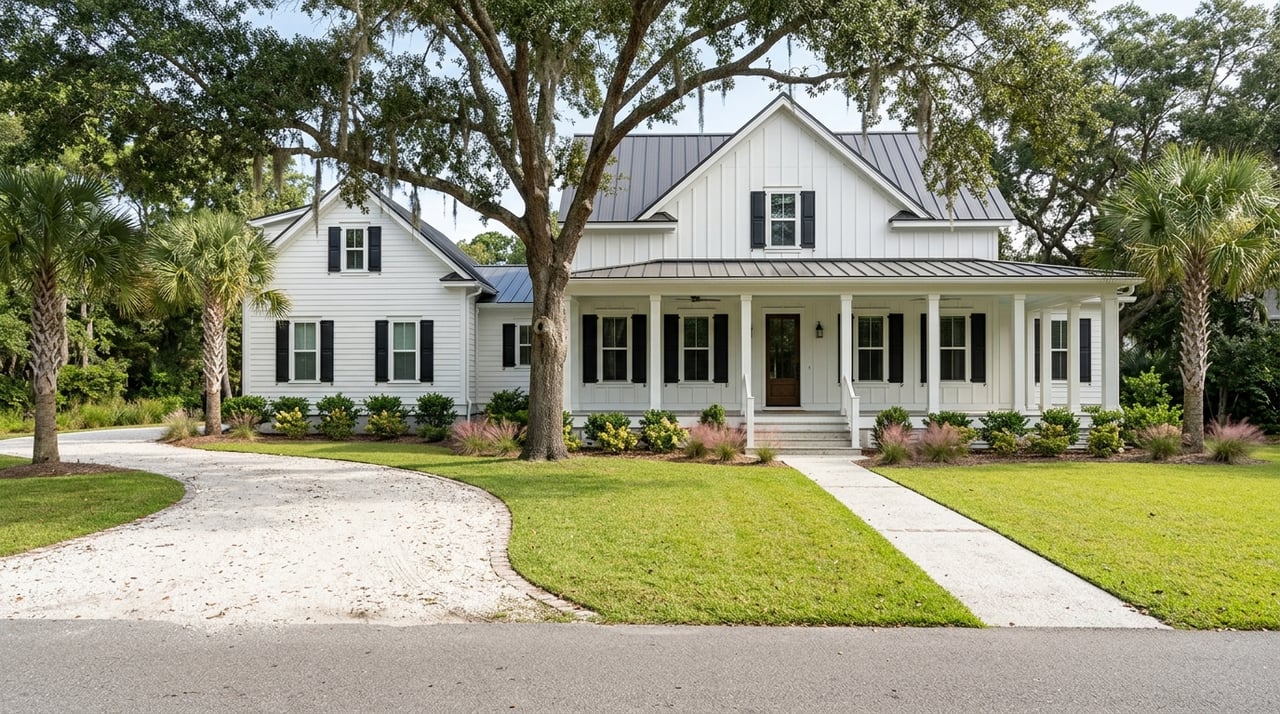
One of the biggest draws of Johns Island is variety. You can find older low-density areas, newer neighborhoods, and homes that still feel connected to the land instead of packed tightly together.
City planning documents describe a pattern where growth is focused more along neighborhood cores and key corridors like Maybank Highway, while other areas taper toward a more rural preserve edge. That means Johns Island is not a one-size-fits-all suburb. It offers a mix of estate-style settings, larger lots in some areas, and newer higher-density pockets in others.
A Market That Balances Room and Growth
Charleston County has continued to refine how growth happens on Johns Island. The Maybank Highway and Main Road overlay zoning effort, adopted in 2020 and 2021, was designed to create more consistent land-use and development standards along those major corridors.
For you as a buyer, that matters because it shows Johns Island is being shaped intentionally. Growth is happening, but local governments are also trying to preserve the island’s character instead of letting it become just another generic suburban corridor.
Nature Is Part of Everyday Life
On Johns Island, nature is not just a backdrop. It is a major part of daily life and one of the clearest reasons people choose to live here.
The island is closely tied to wetlands, marsh edges, scenic river views, and heavy tree canopy in city planning documents. Those features help create the feeling that you are living in the Lowcountry, not just near it.
Angel Oak Is More Than a Landmark
Angel Oak Park is one of the island’s most recognized public spaces. The City of Charleston estimates the Angel Oak tree is 300 to 400 years old, and the park welcomes about 400,000 visitors each year.
For residents, that landmark helps define Johns Island’s identity. It reflects the deep-rooted, landscape-first character that continues to shape the island even as more people move there.
Parks and Recreation Add Practical Appeal
Johns Island’s appeal is not limited to scenic views. The city’s parks inventory includes Johns Island Park and Maybank Tennis Center, along with Angel Oak Park, within the James and John’s Island park grouping.
That gives you a mix of natural beauty and practical recreation. If you want a place that feels outdoorsy but still supports day-to-day activities, Johns Island has more structure than many buyers assume.
Convenience Is Real, But It Comes With Trade-Offs
Johns Island offers convenience, but it works differently than a more central in-town neighborhood. You are often choosing more space and a more grounded setting in exchange for a commute that depends heavily on a few main roads.
That trade-off is well known, and it is one reason road improvements have been such a major focus. If you are considering the island, it helps to think honestly about your daily routine, work location, and how often you need to move on and off the island.
Maybank Highway Is a Key Corridor
Maybank Highway is one of the island’s main transportation corridors. Charleston County says county, city, and state partners have been working since 2004 to improve safety and traffic flow there.
Phase 3 is complete, and Northern Pitchfork Road opened to users on March 26, 2024. In April 2024, County Council also authorized design work to widen Maybank Highway from River Road to the Stono River Bridge and add an outbound lane.
Main Road Also Shapes Access
Main Road is another major access route for Johns Island. Charleston County’s project summary includes work tied to the US 17 and Main Road intersection, Main Road widening, the Main Road and Maybank intersection, and capacity improvements to Bohicket Road.
The takeaway is simple. Johns Island’s convenience story is improving, but it is still very much connected to corridor-by-corridor infrastructure work rather than fast freeway-style travel.
Infrastructure Is Still Catching Up
River Road is also part of the current picture. In April 2026, SCDOT held a public meeting for a bridge replacement project on River Road over Burden Creek to replace the existing structure with a new bridge that meets current design and safety standards.
For buyers, that reinforces an important point. Johns Island is growing, and public infrastructure is continuing to evolve alongside that growth.
Everyday Lifestyle Has Expanded
For many buyers, Johns Island used to sound like a place where you traded convenience for scenery. Today, the picture is more balanced.
Dining has become a more visible part of island life, with established local spots including The Royal Tern, Wild Olive, and Lost Isle on Maybank Highway. That growing food scene adds a layer of day-to-day ease and helps Johns Island feel more self-contained than it did years ago.
Travel Access Has a Niche Advantage
For some households, Charleston Executive Airport adds another layer of practicality. Charleston County’s comprehensive-plan review notes that the airport sits on the eastern edge of Johns Island by the Stono River and serves as a reliever airport for Charleston International Airport.
That will not matter to every buyer, but it can be a meaningful convenience for frequent travelers or those who use general aviation.
What the Market Looks Like Now
Johns Island remains one of the more expensive submarkets in the broader Charleston area, but the market may be more balanced than some buyers expect. That can be helpful if you are hoping for more choice and a little more room to make a thoughtful decision.
Realtor.com classified Johns Island as a buyers’ market in May 2026. At the same time, a Charleston Trident Association of REALTORS update for Johns Island Area 23 showed a February 2026 year-to-date median sales price of $769,745, 180 homes of inventory, and 52 days on market for single-family detached homes. Redfin reported a median sale price of $646,000 for the three months ending April 2026.
What Those Numbers Mean for You
These datasets are not directly comparable, but together they tell a useful story. Johns Island is still firmly a mid-six-figure to upper-tier market, yet it may offer more balance than buyers assume when they hear how popular the island has become.
That balance can create opportunity. If you value setting and lifestyle as much as square footage, Johns Island may give you a wider range of options than denser neighborhoods closer to the urban core.
Is Johns Island the Right Fit?
Johns Island tends to work best for buyers who want breathing room, natural surroundings, and a home setting that feels distinct from busier parts of Charleston. It can be especially appealing if you value canopy roads, marsh-adjacent scenery, and a less built-up environment.
At the same time, it helps to go in with clear expectations. Johns Island is not frozen in time, and it is not fully rural either. It is a growing island community where preservation, housing demand, and infrastructure work are all happening at once.
If you are trying to decide whether Johns Island fits your lifestyle, the real answer usually comes down to priorities. If space, nature, and a more relaxed Lowcountry feel rank high on your list, this island continues to offer something that is harder to find in many other Charleston-area locations.
If you are thinking about buying or selling on Johns Island, working with a local expert can help you sort through the trade-offs, compare micro-locations, and make a smart move with confidence. Reach out to Lori Petersen for tailored guidance on Johns Island and the greater Charleston market.
FAQs
What makes Johns Island feel more spacious than other Charleston areas?
- Johns Island has about 75.7 square miles of land area, and local planning has preserved many low-density, agricultural, forested, and natural areas that support a more open feel.
What kind of housing can you find on Johns Island?
- Johns Island includes a mix of older low-density homesites, estate-style settings, newer neighborhoods, and higher-density pockets along major corridors like Maybank Highway.
What outdoor amenities are available on Johns Island?
- Public amenities include Angel Oak Park, Johns Island Park, and Maybank Tennis Center, along with scenery tied to wetlands, marshes, river edges, and tree canopy.
How is commuting from Johns Island changing?
- Access is being shaped by ongoing road projects, including completed work on Maybank Highway, design work for added capacity, Main Road improvements, and a River Road bridge replacement project.
Is Johns Island still a competitive real estate market?
- Yes. Recent data points to a market with mid-six-figure pricing and upper-tier positioning, but also with more balance and inventory than some buyers may expect.