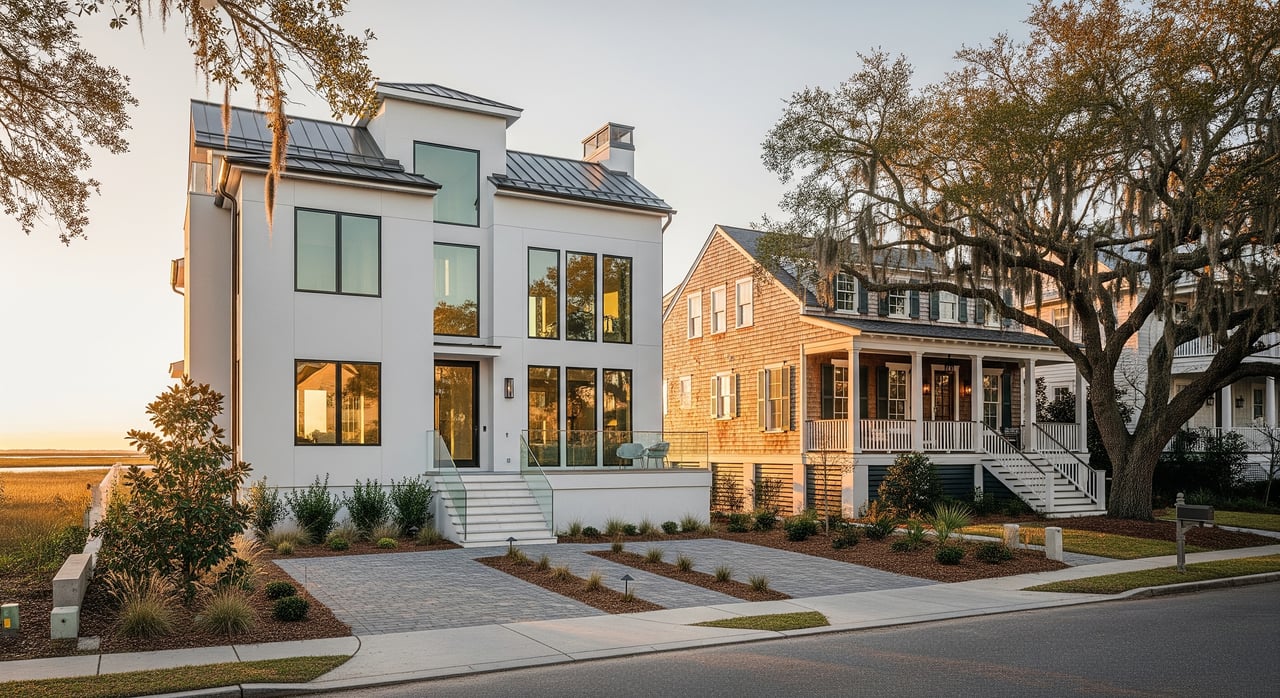
Should you build new or buy a resale home on Daniel Island? If you’re relocating, the right choice often comes down to timing, budget, and how much control you want over design and finishes. You also have coastal factors to consider, like flood zones, docks, and permit timelines.
This guide breaks down how new construction compares with resale on Daniel Island, from build timelines and warranties to HOA/POA rules and total cost of ownership. You’ll get a clear, practical process to make a confident decision. Let’s dive in.
New vs resale at a glance
If you need to move soon, resale usually wins on timing. Most resales can close in about 30 to 45 days after contract. New homes can take months once design, approvals, and construction begin.
If you want personalization and energy efficiency, new construction delivers. You pick finishes and benefit from modern systems and code-level efficiency, plus a builder warranty.
If you prefer immediate value and established landscaping, resale offers move-in readiness. You might update finishes, but you avoid design reviews and long build schedules.
Build timelines on Daniel Island
Resale purchase timing
Most resale purchases close in about 30 to 45 days after going under contract. That timeline covers appraisal, inspections, loan underwriting, and closing prep. It’s the fastest route to living on the island.
Spec and production homes
Inventory homes and production builds typically run 3 to 10 months from construction start. The shorter end applies to true spec homes that are already underway. Expect longer timelines if you pick plans, options, or non-standard finishes.
Custom homes
Custom builds often take 9 to 18 months or more. Plan for several stages: architectural review, county permitting, and construction with multiple inspections. Coastal factors like soil conditions, pile foundations, and weather can stretch schedules.
What can extend timelines
- Architectural Review Board feedback and revisions.
- Coastal permitting for docks or seawalls.
- Geotechnical needs such as pile foundations.
- Seasonal weather and supply chain delays.
- Special-order finishes or complex custom details.
Total cost of ownership
Acquisition and financing
- Resale: Traditional financing with a standard close. Closing costs are typical of a conventional sale.
- New construction: You may use a construction-to-permanent loan or a separate construction loan with interest-only draws during the build. That adds documentation and may require a larger down payment. Closing can be delayed until the home receives a certificate of occupancy.
Recurring costs to compare
- Property taxes. Review local assessor data for comparisons.
- HOA/POA dues. Daniel Island has a master association and may include neighborhood sub-associations. Verify fee schedules and what they cover.
- Insurance and flood insurance. Premiums depend on flood zone classification and elevation.
- Utilities. New homes generally have better insulation and efficient HVAC, which can lower utility costs versus older homes.
Maintenance and replacement reserves
- New homes: Lower near-term maintenance, and builder and manufacturer warranties offer some protection. Budget long-term for roof, HVAC, and appliance lifecycles.
- Resale homes: Plan for near-term updates or replacements. Systems like HVAC, water heaters, and roofs may be closer to end of life.
Five-year cost view
Create a simple spreadsheet for the first five years. Include:
- Purchase price, interest rate, and program details.
- HOA/POA dues and expected increases.
- Homeowners and flood insurance estimates.
- Estimated utilities for new vs older construction.
- Maintenance items and likely replacements.
- One-time upgrades for new builds, like hardscaping or appliance packages.
Lots, flood zones, and docks
Common lot types on Daniel Island
- Waterfront: River, marsh, or canal views come at a premium. Expect more regulatory steps and potentially higher insurance and maintenance.
- Marsh-edge and tidal buffer: Scenic settings with conservation buffers and setback rules. Dock access may be limited.
- Interior and parkfront: Often easier to build on, with walkable locations and typically lower insurance costs.
- Corner and cul-de-sac: Larger yards and potential design flexibility.
- Narrow urban lots near town center: High walkability with smaller yards and tighter expansion options.
Flood zones and elevation
Daniel Island includes FEMA flood zones such as AE, VE, and X. Flood classification affects foundation type, minimum finished floor elevations, and insurance costs. Ask for or order an elevation certificate to understand risk and premiums.
Key steps for buyers:
- Confirm a lot’s flood zone and base flood elevation.
- Get flood insurance quotes specific to the property or lot.
- Verify any recent map changes that could impact requirements.
Coastal permitting for waterfront features
Docks and seawalls may require approvals from multiple agencies. Rules often include setbacks, size limits, and environmental protections. Permitting can take months and is usually not included in a home’s base price. Plan time and budget accordingly.
Warranties and inspections
New construction warranty structure
Builders commonly offer:
- About one year for workmanship and materials.
- Around two years for major systems, like electrical, plumbing, and HVAC.
- Up to ten years for structural coverage.
Manufacturer warranties on appliances, windows, and HVAC components are separate. Register them after closing. Some builders use third-party warranty providers that manage claims beyond the builder’s own program.
Resale warranty and inspections
You can negotiate a one-year home warranty at closing, but it usually excludes pre-existing or deferred maintenance. A full home inspection is essential. Add specialty inspections for pests, mold, HVAC, or sewer lines as needed. Request service records for major systems.
Customization and finishes
New construction choices
The base price covers standard finishes. Upgrades to cabinetry, counters, flooring, lighting, and outdoor living areas add to the cost. New builds meet current codes for energy efficiency, which can reduce utility bills compared with older homes. Design rules and CC&Rs may guide exterior materials, colors, porches, and fences.
Resale opportunities
Resales offer immediate occupancy and mature landscaping. If finishes are dated, you can remodel without waiting on a full build cycle. You may negotiate price or credits to offset update costs.
POA and HOA essentials
Daniel Island’s planned community framework typically includes a master association and neighborhood sub-associations. Carefully review:
- Annual dues and what they cover, like amenities, landscaping, and maintenance.
- Reserve funds and any recent or planned special assessments.
- Architectural review rules, exterior material guidelines, color palettes, and fencing standards.
- Rental policies and any short-term rental restrictions.
- Rules for pets, parking, signage, and exterior changes.
Governance can vary between developer control and owner boards, which influences responsiveness and design enforcement.
Practical due diligence checklist
Use this list whether you choose new construction or resale:
- Community documents: current CC&Rs, budgets, reserve studies, meeting minutes, and rules.
- Property taxes: recent assessment and an estimate after any reassessment.
- Flood: flood zone determination and, if available, an elevation certificate.
- Insurance: homeowners and flood insurance quotes for the specific property or lot.
- Location fit: proximity to schools, parks, and amenities.
- Commute: drive times to major employers and transit options.
Additional items for new construction:
- Builder contract with base pricing and itemized upgrade costs.
- Full builder warranty documents and claims process details.
- Construction schedule with milestones and remedies for delays.
- Copies of approved architectural review and building permits.
- Geotechnical reports and required foundation type.
Additional items for resale:
- Full home inspection and any needed specialty inspections.
- Service records for roof, HVAC, and major systems.
- Recent survey and details on easements or boundaries.
Which option fits your timeline?
Choose resale if you need certainty and speed. You can close within weeks, plan your move, and settle into the community without waiting on approvals or build stages.
Choose new construction if you want customization and are comfortable with a longer timeline. You’ll enjoy modern systems, energy efficiency, and a builder warranty. Just be prepared for design reviews, permitting steps, and possible weather or supply delays.
For many relocating families, the best move is to compare two real options side by side. Price out a resale home you like and a comparable new build. Put both into a five-year cost worksheet, including upgrades, utilities, insurance, and HOA dues. Then weigh lifestyle factors like lot type, walkability, and yard needs.
Ready to compare your options?
You deserve a clear plan tailored to your timing, budget, and goals on Daniel Island. If you want help finding the best lots, understanding flood implications, or building a five-year cost comparison, connect with a local expert who manages these details every day. Reach out to Lori Petersen to map your path with confidence.
FAQs
How long does building on Daniel Island usually take?
- Expect 3 to 6 months for spec homes already underway, 6 to 10 months for production builds, and 9 to 18 months or more for custom homes, plus time for design review and permits.
What should I review in Daniel Island HOA and POA documents?
- Check fee schedules, what dues cover, reserve funds, any special assessments, architectural rules, rental policies, and guidelines for exterior changes and landscaping.
What does a typical builder warranty include on new homes?
- Many builders offer about one year for workmanship, several years for major systems, and up to ten years for structural items, with separate manufacturer warranties on components.
How does flood zone status affect my costs on Daniel Island?
- Flood zones like AE or VE can require higher finished floor elevations, influence foundation types, and often mean higher flood insurance premiums compared with Zone X.
Are waterfront lots worth the premium on Daniel Island?
- Waterfront offers lifestyle and potential resale advantages but often comes with higher land costs, more complex permitting for docks, and increased insurance and maintenance—get quotes before committing.