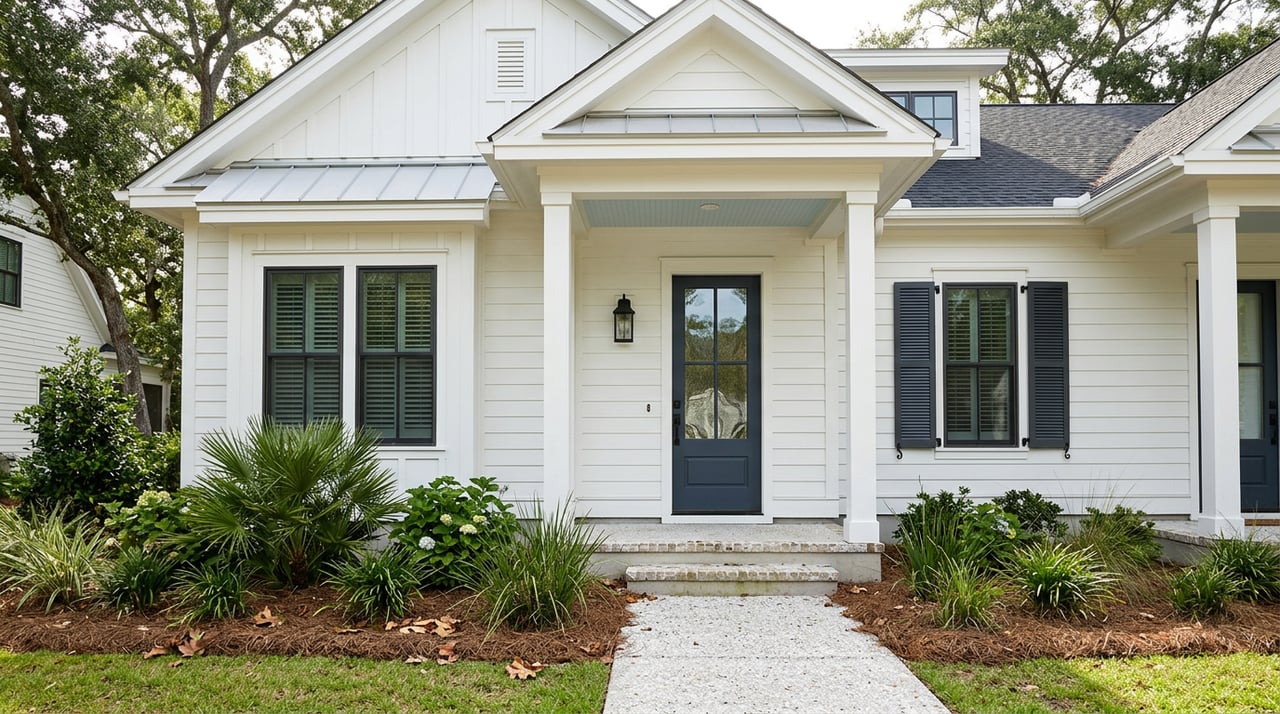
You want an easy, elegant base at the beach without taking on a full-time project. A Kiawah Island villa can deliver that lock-and-leave lifestyle, but only if the layout, rules, and costs match your goals. In this guide, you will learn what “villa” typically means on Kiawah, how day-to-day ownership works, what to budget, how short-term rental rules apply, and how villas compare with single-family homes. By the end, you will know if a villa aligns with your lifestyle and budget. Let’s dive in.
What a Kiawah villa is
On Kiawah, “villa” usually refers to condominium or townhome-style residences, and sometimes smaller freestanding cottage footprints. The island’s housing study describes a wide range of 1 to 3 bedroom layouts, from 1980s-era buildings to newer luxury low-rise and mid-rise residences. You will see screened porches, open living areas, and shared parking as common features, with elevators and covered parking in higher-end buildings. For context on the island’s housing mix and reinvestment needs, review the Town’s Kiawah Island Housing Market Study.
Villas cluster near amenities many buyers love. Neighborhoods by the beach, parks, and club facilities let you step onto bike trails, pools, and dining with ease. Kiawah’s shoreline, parks, and paved paths are a major part of the appeal, as highlighted in the area overview from the Charleston visitors bureau on Kiawah’s beaches, trails, and parks.
Market-wise, villas and cottages typically price below Kiawah single-family homes, which often reach multiple millions. Kiawah Island Real Estate’s Q1 2025 market review cited a villa and cottage median near $849,000, making villas a common entry point for second-home buyers.
Day-to-day living
Layouts and buildings
Expect efficient 1, 2, and 3 bedroom footprints that live larger with outdoor porches or decks. Many buildings date to the 1980s and 1990s, which means you will find a mix of original finishes and updated interiors. Higher-end buildings add conveniences like elevators, covered parking, and more robust amenity packages. Because age and reinvestment vary by complex, plan to review recent exterior work and any scheduled projects during due diligence.
Maintenance and coverage
A core draw of villas is lower exterior maintenance. Neighborhood and building “regimes” usually handle building-envelope upkeep, common-area landscaping, pools and clubhouses, trash service, and sometimes termites or limited utilities. Kiawah Island Community Association (KICA) manages island-wide services like roads, trails, and the Sandcastle owners’ facility, while regimes handle the building or neighborhood. For a clear picture of who covers what, start with KICA’s finance resources and then request your regime’s budget, reserve study, and management contract.
Proximity and travel
Villas often sit close to the beach, parks, and resort amenities, which helps you maximize time outside instead of in the car. If you travel frequently, plan around access times to Charleston. The island’s guide on how to get to Kiawah Island notes typical driving times of about 30 to 45 minutes to Charleston International Airport depending on traffic.
What it costs to own
Your total cost has three buckets: closing costs, recurring ownership costs, and optional rental or management expenses.
At closing
- KICA Contribution to Reserve fee. KICA charges a one-time Contribution to Reserve equal to 0.5% of the property’s gross purchase price. You will see it on your closing statement. Details are on KICA’s finance page.
- Regime working-capital or transfer fees. Some regimes collect a one-time working-capital or transfer fee at closing. This is regime specific. Ask for the resale package and fee schedule for the exact amount.
Annual and monthly costs
- KICA annual assessments. The 2026 assessment for an improved property is $3,158. Review KICA’s official assessment schedule to budget accurately.
- Regime dues. Monthly or quarterly regime dues vary by building and amenities. As one example, a Tennis Club Villa listing showed dues around $200 to $260 per month. See an example Tennis Club Villa listing for how dues are typically disclosed. Always request the regime’s budget, reserve study, and any special assessment history because amounts vary widely.
- Property taxes. Charleston County taxes are based on assessed value and use; exact bills vary by parcel. Ask your agent to pull the parcel record and the most recent bill to estimate your annual cost during due diligence.
- Insurance and flood. Coastal properties often require separate wind or hurricane coverage and, if in a FEMA Special Flood Hazard Area, flood insurance. Premiums vary by zone, elevation, and coverage. Start with Charleston County’s flood resources and order an elevation certificate if needed, then obtain quotes from your insurer.
- Repairs, utilities, and reserves. Interior maintenance, HVAC servicing, storm prep, and utilities remain your responsibility. Create a reserve line item for seasonal wear and storm readiness.
- If you plan to rent. Full-service short-term rental managers in the Kiawah area commonly charge about 20 to 30 percent of gross rental revenue for turnkey service. You can also find hybrid or lower-fee options if you coordinate housekeeping and maintenance. For fee comparisons and sample P&Ls, consult several local short-term rental managers.
Renting your villa: rules that matter
Kiawah requires a short-term rental business license and permit, with safety and operating standards, and caps in certain zones. Before you rely on rental income, read the Town’s STR ordinance in the official council materials here: Kiawah’s short-term rental rules.
Key steps if renting is part of your plan:
- Confirm whether the unit currently holds a valid STR license. Licenses may not transfer automatically.
- Verify whether the zoning district has reached its STR cap or has a waitlist.
- Review occupancy and parking rules. Occupancy is often set as two persons per recorded bedroom plus two more occupants. Parking limits also apply.
- Identify your required local contact or agent and understand inspection requirements.
- Check regime rules. Some buildings have additional restrictions or processes for rentals.
Villas vs homes: key tradeoffs
Choosing between a villa and a single-family home comes down to privacy, maintenance, and budget.
- Space and privacy. Single-family homes provide more land and separation from neighbors. Villas trade some privacy for convenience and a lower acquisition cost.
- Maintenance and time. Villas shift most exterior work to the regime and KICA. Homes require you to handle yard work and exterior upkeep, or to hire vendors and managers.
- Rental logistics. Many villa buildings are already set up for turnover services and guest support. Homes can command high nightly rates for larger groups but often need more on-site maintenance coordination.
- Reinvestment patterns. The Town’s housing analysis notes that reinvestment can vary by housing type. In shared buildings, watch for exterior capital needs and special assessments. Review the housing study for context and request each regime’s reserve study.
Due diligence checklist for out-of-state buyers
Use this list to confirm fit and reduce surprises:
- Flood and elevation. Confirm the FEMA flood zone and consider ordering an elevation certificate. Start with Charleston County’s flood resources, then get insurer quotes for homeowners, wind or hurricane, and flood.
- KICA costs. Ask for the seller’s KICA assessment history. Confirm the 0.5 percent KICA Contribution to Reserve at closing and review the current assessment schedule.
- Regime health. Request the regime budget, reserve study, recent meeting minutes, and special assessment history. Ask exactly what your dues cover, including roof, exterior paint, windows and doors, and elevator maintenance.
- Rental plan. If you intend to rent, verify current STR license status, confirm caps in the zoning district, and review occupancy and parking rules in the Town ordinance. Collect sample P&Ls from at least two local managers.
- Renovation scope. If you plan any exterior or structural work, confirm Architectural Review Board (ARB) requirements and regime approvals. Ask for timelines, deposits, and fee schedules.
- Amenities and membership. Clarify whether a sale conveys a private club membership or if you can join the Governor’s Club at your desired level, and what fees apply.
Who a villa fits best
- You want turnkey living. If you prefer to arrive, unpack, and head to the beach or bike path, villas reduce exterior maintenance and make second-home ownership simpler.
- You value access over acreage. If proximity to the Sandcastle, parks, and trails beats having a private yard, a villa may be the right tradeoff.
- You plan occasional rentals. Many villas have rental histories and local support for turnover, subject to Town and regime rules. Confirm license status and caps first.
- You are budget conscious on the buy. Villas and cottages often price below single-family homes on the island, helping you enter the market with a lower initial investment.
Ready to explore options that match your lifestyle, budget, and travel plans? Connect with Lori Petersen to compare villa communities, estimate true ownership costs, and structure a confident offer.
FAQs
What does a Kiawah villa regime fee usually cover?
- Regime dues often include exterior building maintenance, common-area landscaping, pool or clubhouse care, trash service, and sometimes termites or limited utilities. Always request the regime’s budget and reserve study to confirm specifics.
How much will I pay KICA at closing and yearly?
- KICA collects a one-time Contribution to Reserve equal to 0.5 percent of the purchase price at closing, and the 2026 annual assessment for an improved property is $3,158 per year.
Can I short-term rent a Kiawah villa legally?
- Yes, if you secure a Town short-term rental business license and permit, comply with safety and operating requirements, and confirm your zone is not capped; regime rules may add restrictions.
How do flood zones and insurance affect a villa purchase?
- Flood zones influence whether flood insurance is required and what it costs; obtain a flood determination, consider an elevation certificate, and get quotes for homeowners, wind or hurricane, and flood coverage.
How long is the drive from a Kiawah villa to the airport?
- Typical drive time to Charleston International Airport is about 30 to 45 minutes, depending on route and traffic conditions.