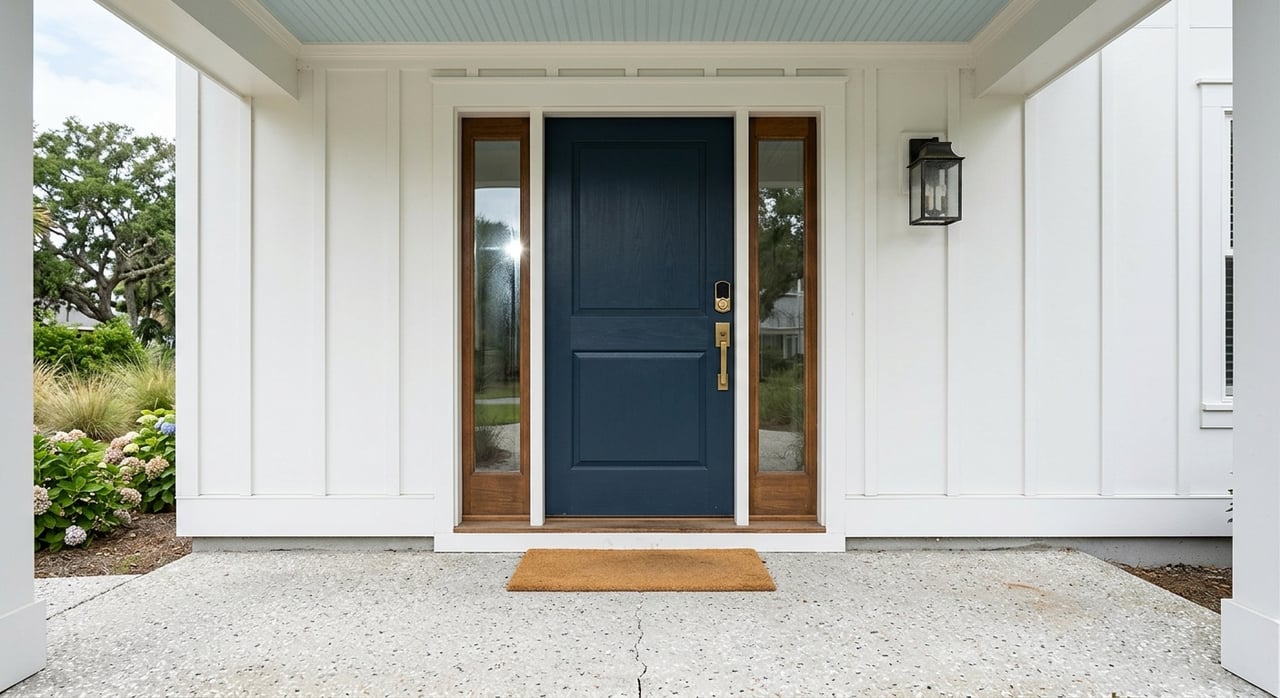
Buying an Isle of Palms home from out of state can feel exciting and a little risky at the same time. You want the views, layout, and location to match the listing, but on a barrier island, you also need to understand drainage, flood exposure, and storm-season realities. The good news is that with the right virtual process, you can make a smart, confident decision before you ever get on a plane. Let’s dive in.
Why virtual buying on Isle of Palms is different
Isle of Palms is a seven-mile-long barrier island about eight miles east of Charleston, and that coastal setting shapes how you should evaluate every property. According to the city’s comprehensive plan, local planning includes stormwater, tidal drainage, beach restoration, erosion control, and sea-level-rise management.
For you as a remote buyer, that means a virtual tour should go beyond pretty finishes and wide-angle video. You also want to understand how the lot sits, how water moves around the home, and what the surrounding street looks like in real conditions. The city’s ongoing drainage study and flood survey work reinforces that these are current, active issues.
Start with the right visual package
Online visuals matter because they are often your first filter. In the National Association of Realtors’ 2025 buyer survey, buyers rated photos as the most useful online feature at 83%, followed by detailed property information at 79%, floor plans at 57%, virtual tours at 41%, and videos at 29%.
That tells you something important. The best virtual home search is not built on one polished highlight reel. It works best when you combine strong photography, detailed listing information, floor plans, and a live walkthrough where you can ask questions in real time.
What to request beyond listing photos
When you are serious about an Isle of Palms home, ask for a fuller visual set that shows:
- The home from the street and driveway
- The beach side, marsh side, or water-facing side if applicable
- Under-house or elevated areas
- Decks, railings, stairs, and entries
- Roof lines, windows, and doors
- Utility and HVAC areas
- Any pilings, foundation elements, or lower-level storage spaces
- Any areas that look freshly repaired or newly painted
This helps you spot both condition and context. On a coastal property, details like corrosion, moisture signs, and deferred maintenance matter just as much as kitchen finishes.
Use live walkthroughs to see what edited media misses
A live Zoom or FaceTime tour can add the layer of truth that polished listing media cannot always provide. NAR specifically notes the value of sharing as much visual information as possible and offering live walkthrough options.
During a live tour, ask your agent to move slowly and pause often. You want to see room transitions, ceiling height, storage, natural light, and how spaces connect. It is also smart to ask for camera angles that show corners, ceilings, baseboards, and window trim, since those areas can reveal wear that edited photos may not highlight.
Key things to inspect on camera
Ask your agent to focus on these areas during a live walkthrough:
- Signs of moisture intrusion
- Rust or corrosion near exterior hardware
- Cracks, settlement, or uneven surfaces
- Deck condition and stair stability
- Window and door condition
- The feel of airflow and cross-breezes
- Noise from nearby roads, public access points, or neighboring properties
- The actual view from primary rooms and outdoor spaces
You should also ask what sits just outside the frame. A water view may also include access paths, dunes, neighboring roofs, or public-facing areas. That context can shape how the property feels day to day.
Pay close attention to the block and lot
On Isle of Palms, the lot and surrounding street can be just as important as the interior. The city’s active drainage work, including Palm Boulevard drainage improvements, is a reminder that water behavior and street conditions can shift over time.
Ask for video of the full block, not just the home itself. You want to see parking, nearby construction, beach access points, adjacent lots, and how close the home sits to water or marsh. These details are especially useful when you are trying to narrow choices before a short in-person trip.
Ask for a second walkthrough at a different time
If possible, schedule a second live tour later in the day, during higher tide, or after rain. On a barrier island, conditions can look very different depending on weather and water levels.
That second pass may reveal how the street drains, how much standing water appears nearby, and how outdoor spaces feel when the environment changes. If you are buying remotely, this extra step can be one of the most valuable parts of your process.
Do digital due diligence early
A smart virtual search is not just visual. It also includes property research before you get too far down the road.
Charleston County offers a property information portal that connects buyers to GIS, Register of Deeds, Assessor, and planning resources. These tools can help you review parcel details, deed history, plats, and related public information from a distance.
That said, the county also notes that online records may be incomplete or outdated. So use digital records as an important starting point, not as a replacement for formal verification and closing-period due diligence.
Records and property details to review
Before or during the offer stage, look into:
- Parcel and plat information
- Deed and recorded document history
- Appraisal and tax information
- Zoning and planning context
- Whether there are build or expansion constraints tied to the lot
The city’s building flowchart is especially helpful because it highlights local items owners should check, including flood zone, drainage plan, zoning district, lot coverage, setbacks, and sewer connection status. It also notes that some properties in Wild Dunes may require ARC review.
Review flood maps and insurance before you offer
For coastal buyers, flood review should happen early. The official public source for flood hazard information is FEMA’s Flood Map Service Center, and FEMA also notes that most homeowners insurance does not cover flood damage.
Charleston County explains that coastal flood-zone designations such as V and VE represent wave-hazard areas. On Isle of Palms, that makes flood-zone review and flood-insurance quotes a practical first step, not a last-minute box to check.
You can also use NOAA’s Coastal Flood Exposure Mapper as a screening tool to compare coastal exposure. NOAA states clearly that it is a planning tool and that results should be verified with a site visit, which makes it useful for early research but not a substitute for inspections.
Flood questions worth asking
When you are evaluating a home remotely, ask:
- What flood zone is the property in?
- Has the seller shared any available flood-related information?
- What does a current flood-insurance quote look like?
- How does the lot appear to handle drainage based on current photos or live video?
- Are there visible signs of prior water issues in lower or under-house areas?
These questions can help you understand total ownership costs and reduce surprises after contract.
Plan one short visit strategically
Even with great technology, one well-timed in-person visit can be incredibly helpful. The best use of that trip is not spending hours admiring finishes you have already seen online. It is confirming scale, sound, breezes, views, parking, access, and overall street feel.
Try to do at least one daytime visit to judge the block and beach access. If schedules allow, a second look during rain or a higher-tide window can give you a more realistic sense of drainage and surrounding conditions. If the home may serve as a second residence, it is also wise to review Charleston County’s hurricane and evacuation guidance before you move forward.
Understand the remote closing process
Many remote buyers assume the entire closing can happen with a few digital signatures. In South Carolina, the process can include electronic notarization tools through the state’s online notary portal, but state law still requires a licensed South Carolina attorney to supervise the closing.
That means your closing workflow should be coordinated early with your lender, attorney, and closing team. The Consumer Financial Protection Bureau recommends contacting your lender or closing agent at least a week before closing to learn how your Closing Disclosure and documents will be delivered.
Protect yourself from wire fraud
Closing is also when scammers often target buyers. CFPB warns that mortgage-closing scams frequently appear in the final days before closing.
If you receive wire instructions by email, verify them using a known phone number for your closing contact, not the number or link in the email thread. That small step can protect both your funds and your peace of mind.
Build a smarter virtual buying plan
The best remote-buying strategy for Isle of Palms combines polished listing media with careful local due diligence. You want strong photos, floor plans, detailed property information, live walkthroughs, flood and insurance research, public-record review, and a focused site visit before closing.
When you follow that process, you are not just shopping from afar. You are making a well-informed decision in a market where block context, water behavior, and coastal conditions matter. If you are planning a move or second-home purchase on Isle of Palms, working with a local guide who understands both the digital process and the island’s nuances can make every step smoother. If you are ready to explore coastal homes with a more informed strategy, connect with Lori Petersen.
FAQs
What should remote buyers ask during an Isle of Palms virtual home tour?
- Ask to see the street, lot, under-house areas, decks, windows, doors, utility spaces, and any spots that show repairs, moisture, corrosion, or deferred maintenance.
How can remote buyers check flood risk for an Isle of Palms property?
- Start with FEMA’s Flood Map Service Center, review Charleston County flood-zone information, and request a flood-insurance quote early in the process.
Why is a second virtual walkthrough helpful for Isle of Palms homes?
- A second tour at a different time of day, during rain, or around higher tide can reveal drainage behavior, lighting changes, and more realistic outdoor conditions.
What public records should remote buyers review before buying on Isle of Palms?
- Review Charleston County GIS, deed, assessor, and planning resources to gather parcel details, recorded documents, tax information, and lot-related context before a site visit.
Can remote buyers close on an Isle of Palms home without being in South Carolina?
- Some documents may be handled digitally, but South Carolina closings still require supervision by a licensed South Carolina attorney, so coordination with your closing team is essential.