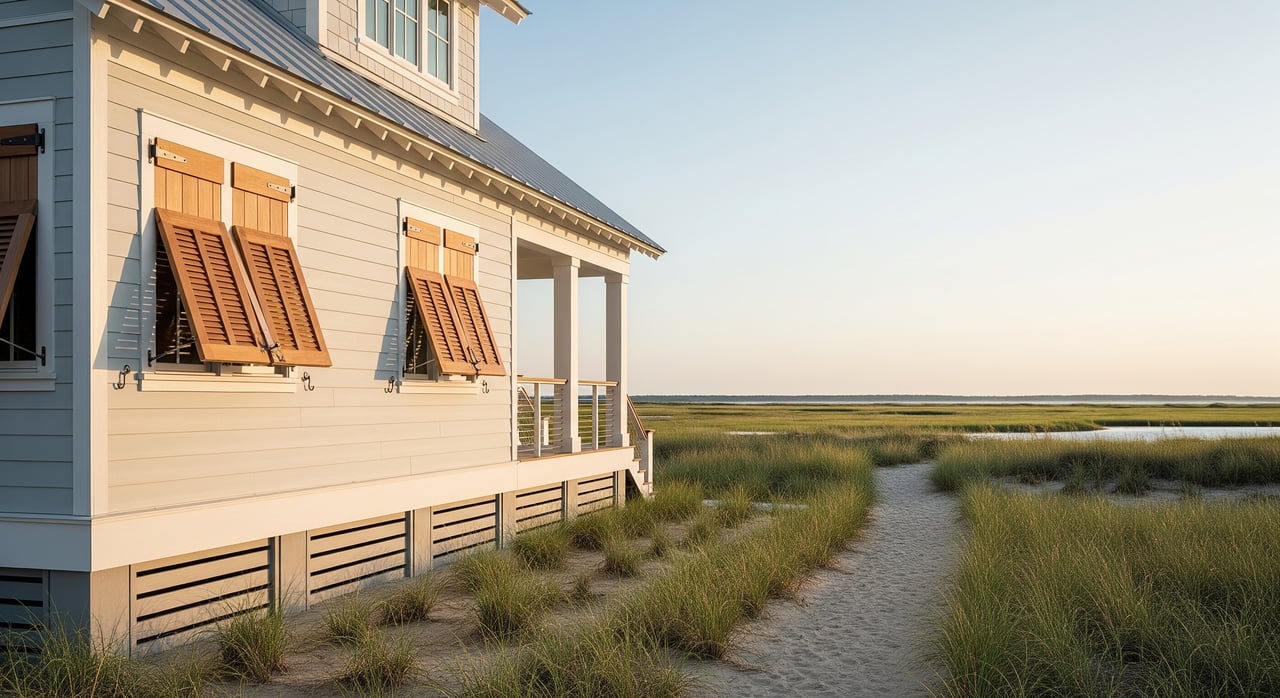
Salt air, ocean views, and easy island days are why you love Folly Beach. They also bring salt spray, humidity, and storm season that can wear down a home faster than you expect. With a clear plan, you can protect your property, avoid surprise repairs, and keep your place guest-ready year-round. In this guide, you’ll find Folly-specific maintenance steps, smart material choices, humidity control tips, and budgeting guidance. Let’s dive in.
Why coastal upkeep matters on Folly
Folly Beach sits in a humid subtropical climate with year-round moisture and frequent marine air. Salt and humidity speed up corrosion, rot, and paint failure, so exterior items need more frequent care than inland homes. The Atlantic hurricane season runs June through November, bringing strong winds, heavy rain, and storm surge. Many properties also sit in mapped flood zones, so regular inspections and documentation help you manage risk and insurance.
Seasonal maintenance plan
Spring: Prep for heat and storms
- Schedule a professional HVAC service to clean coils, check refrigerant, and clear condensate lines.
- Inspect roof shingles, flashing, and fasteners; repair loose or missing pieces.
- Wash decks with low pressure, replace corroded fasteners with 316 stainless, and seal or stain as needed.
- Test backup power systems and review hurricane supplies and shutter hardware.
Summer: Control humidity and salt
- Rinse salt from railings, siding, outdoor lighting, and condenser fins after storms and at least monthly.
- Monitor indoor relative humidity and run dehumidifiers to keep RH below 60 percent.
- Check for leaks after heavy rain, including under sinks and inside closets.
- Watch for corrosion on gate hardware, railings, and exterior fixtures.
Fall: Inspect and clear water paths
- Do a post-storm inspection of roof, windows, pilings, crawlspaces, and structural connections.
- Check shutters, impact glass, and door seals; repair damaged parts.
- Clean gutters and downspouts to move rainwater away from the structure.
Winter: Tune systems and plan projects
- Inspect attic and insulation for moisture and ventilation performance.
- Test smoke and CO detectors and GFCI outlets.
- If vacant, set the thermostat to control humidity and protect against rare cold snaps.
- Schedule exterior projects like roofing or painting during mild, dry weather for best curing.
Exterior materials that last
Choosing the right products reduces repairs and helps your home stand up to salt air.
- Fasteners and hardware: Use 316 stainless steel for screws, bolts, hangers, and exposed metal. Avoid plain steel or standard galvanized hardware in direct salt spray.
- Decking: Capped composite or PVC decking lowers maintenance but still needs washing. Tropical hardwoods and properly treated lumber are durable if sealed and paired with stainless fasteners.
- Siding and trim: Fiber-cement siding and PVC trim perform well when detailed for drainage. Wood siding requires more frequent paint or stain.
- Roofing: Coastal-rated metal roofing often outlasts asphalt shingles when fastened with corrosion-resistant screws and flashings. If using shingles, choose wind-rated products and inspect after storms.
- Windows and doors: Impact-rated products are recommended in hurricane zones and reduce boarding needs. Keep weep holes clear and use marine-grade hardware.
- Paints and coatings: Use high-quality exterior or marine-grade coatings. Expect shorter repaint cycles in direct salt spray and inspect finishes annually.
Corrosion prevention habits
Simple routines go a long way on Folly Beach.
- Rinse salt from balconies, railings, outdoor furniture, and HVAC units after storms and on a monthly to quarterly schedule.
- Avoid dissimilar metal contact and use isolating washers or coatings to reduce galvanic corrosion.
- Seal penetrations and flashing joints with appropriate marine-grade sealants.
- Maintain ventilation so assemblies can dry. Replace corroded parts early to prevent wider damage.
Moisture, HVAC, and indoor comfort
Managing humidity protects your home and your HVAC system.
- Filters: Change monthly when occupied and every 1 to 3 months during light use. Use pleated filters approved for your system.
- Tune-ups: Get an annual professional service before the cooling season to clean coils, verify refrigerant, and test airflow and controls.
- Dehumidification: Keep indoor RH below 60 percent, ideally 30 to 50 percent. Use a whole-home dehumidifier or portable units during peak humidity or vacancy.
- Condensate and drainage: Keep drain lines clear and routed to code-approved discharge points. Rinse outdoor condenser coils gently with freshwater and avoid high pressure.
Plumbing, electrical, and pests
Small checks reduce big risks in a coastal environment.
- Elevate utilities where possible, including electrical panels and HVAC equipment, to reduce flood exposure.
- Use weatherproof in-use covers and GFCI protection on outdoor circuits. Inspect exterior boxes and conduit seals after storms.
- Test sump and effluent pumps annually and verify backup power readiness if installed.
- Schedule yearly termite and pest inspections and address moisture promptly to prevent mold or wood rot.
Budgeting, insurance, and risk
Planning ahead protects your investment and supports resale value.
- Annual reserve: Set aside about 2 to 4 percent of the home’s value each year for maintenance on coastal second homes. Increase reserves for older properties or heavy exposure.
- Capital items: Budget for multi-year replacements like decks, roofing, impact windows, and HVAC equipment.
- Emergency funds: Keep a separate storm repair and temporary housing reserve in case of hurricane or flood damage.
- Insurance: Review flood insurance needs and understand wind or hurricane deductibles, which may be a percentage of insured value. Maintain elevation certificates and check current flood maps.
- Permitting: Many upgrades, including impact windows and re-roofing, require permits. Work with licensed contractors familiar with coastal codes and floodplain requirements.
Remote oversight for second homes
If you are not on Folly full-time, set up eyes and alerts that work while you are away.
- Hire a local caretaker or property manager for routine checks and storm follow-ups.
- Install smart thermostats, humidity sensors, water leak sensors, and cameras with power backup.
- Arrange annual service contracts for HVAC, roofing checks, pest control, and decking.
- Create a post-storm action plan with named contractors, documentation steps, and claim procedures.
Quick monthly checklist
- Rinse salt from railings, decks, and the outdoor condenser.
- Scan the roofline, gutters, and downspouts for visible issues.
- Walk decks and stairs to spot loose boards or rusted fasteners.
- Check indoor RH and run dehumidifiers to stay below 60 percent.
- Open under-sink cabinets and closets to look for leaks or musty odors.
- Test exterior GFCI outlets and inspect covers for a tight seal.
Avoid these common mistakes
- Skipping freshwater rinses after storms, which speeds corrosion.
- Ignoring humidity control during vacancy, which invites mold.
- Using non-marine fasteners that rust and stain surrounding materials.
- Delaying roof and flashing inspections after high winds.
- Forgetting gutter cleaning, which can drive water into fascia or siding.
Protect your value year-round
A Folly Beach home rewards consistent, coastal-smart care. With the right materials, routine rinses, humidity control, and scheduled inspections, you reduce wear, lower long-term costs, and keep your property market-ready. If you are planning updates, schedule work in the right season and document improvements to support future resale.
Ready to align maintenance with long-term value or weigh upgrades before selling? Reach out to Lori Petersen for local guidance that supports your goals in Folly Beach and greater Charleston. Get a Free Valuation to understand today’s market and plan your next step.
FAQs
How often should you rinse salt off a Folly Beach home?
- Rinse high-exposure surfaces after major storms and on a recurring schedule, often monthly to quarterly, to slow corrosion.
What hardware works best near the ocean on Folly Beach?
- Use 316 stainless steel fasteners and hardware in direct salt spray and avoid plain steel or standard galvanized products.
What indoor humidity should you target in a beach house?
- Keep relative humidity below 60 percent, ideally 30 to 50 percent, using dehumidification and ventilation.
How much should Folly Beach owners budget for maintenance each year?
- Plan roughly 2 to 4 percent of home value annually for coastal second homes, then adjust for age and exposure.
Are impact windows worth it for hurricane season on Folly Beach?
- Impact-rated windows provide continuous protection and reduce boarding needs, while quality shutters offer a lower upfront alternative.