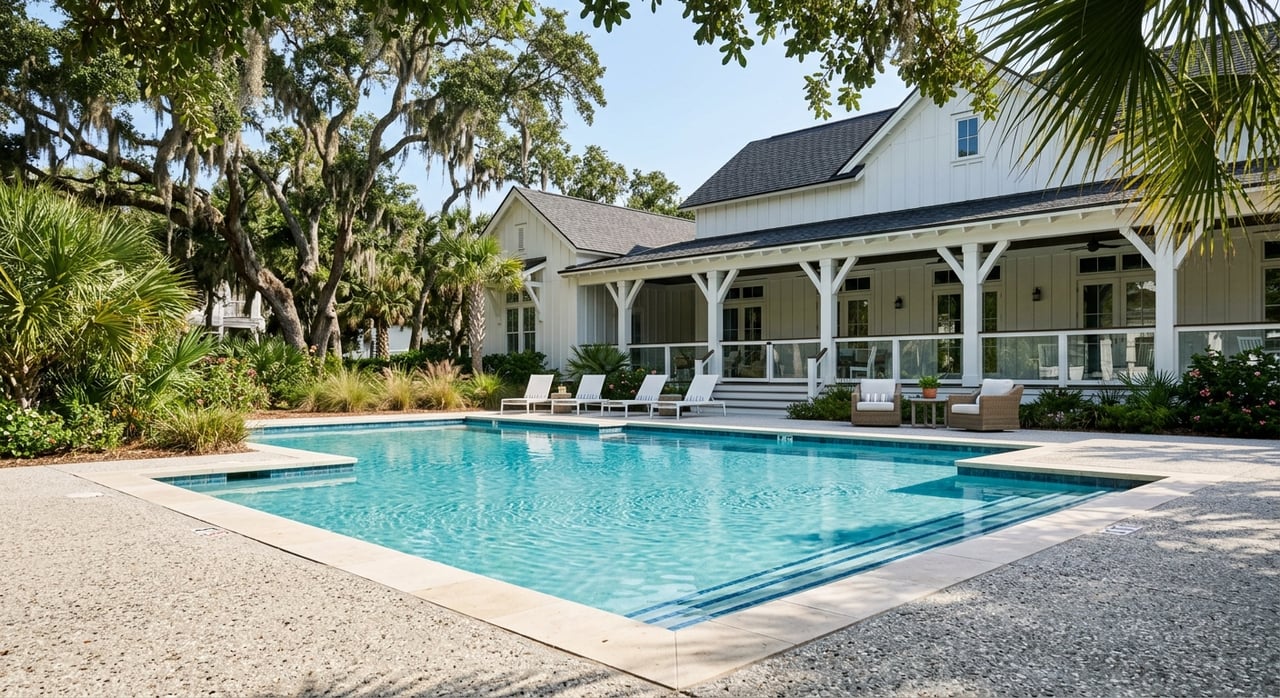
Dreaming about a second home where the pace feels slower, the beach is close, and daily life is shaped by nature and amenities instead of crowds? If Seabrook Island is on your shortlist, you are probably looking for more than a vacation spot. You want a place that feels relaxing, practical, and worth the investment over time. This guide will help you understand how Seabrook Island works, what ownership really looks like, and whether it fits your goals. Let’s dive in.
Why Seabrook Island stands out
Seabrook Island is best understood as a private, amenity-rich barrier island community rather than a typical public beach town. According to Seabrook Island Property Owners Association, the community spans about 2,400 acres, includes roughly 2,600 residential properties, and offers 3.6 miles of private beach.
That distinction matters if you are buying a second home. Life here is shaped by controlled access, property owner services, and club amenities, not by a busy public beach scene. Most of the town sits inside a private gated community, and much of the infrastructure within the gate is owned and maintained by SIPOA.
For many buyers, that creates a strong sense of consistency. You get a coastal setting near Charleston, but the atmosphere is more residential, more structured, and often quieter than other beach locations in the area.
What daily life feels like
If you are picturing a second home that encourages you to spend more time outside, Seabrook Island delivers on that lifestyle. Club materials highlight two golf courses, a racquet club, an equestrian center, the Lake House fitness center, the Beach Club, and a year-round calendar of sporting and social events.
The racquet setup is especially robust, with 15 Har-Tru tennis courts plus pickleball. The club also emphasizes preserving the island’s natural setting by limiting chemicals and protecting native habitat, which supports the island’s overall preservation-minded identity.
This is one reason Seabrook often appeals to second-home buyers who want more than just a beach address. Your day can include an early walk, tennis or golf, time at the fitness center, and a relaxed evening near the water, all without leaving the community.
Beach access is central to the lifestyle
Beach access is a major part of the island’s appeal. Seabrook has nearly four miles of shoreline and nine boardwalks, with two named beach areas: Pelican Beach, also called Sunset Beach, and North Beach.
Pelican Beach is known for sunsets, while North Beach is associated with sunrises, tidal pools, and a quieter feel. The beaches are also pet friendly, which can be a meaningful plus if your second home plans include bringing pets along for extended stays.
Access is easy, but it is also managed. Island rules prohibit beach parking on roads or villa parking areas, and bonfires require permits through the gate or security office.
Private, but not isolated
One practical benefit for second-home owners is that Seabrook does not feel cut off from everyday needs. Just outside the gate, you will find a deep-water marina and shopping village.
That nearby convenience can make a difference, especially if you plan to spend longer stretches on the island. You can enjoy the privacy and rhythm of a gated coastal community without feeling far from basics.
What ownership includes
Buying on Seabrook Island means buying into a community structure, not just purchasing a house or villa. SIPOA provides municipal-type services that support daily life across the island.
These services include roads, drainage, landscaped areas, nature trails, a kayak launch, community gardens, beach access boardwalks, trash collection, and 24/7 access control. For a second-home owner, that can be appealing because many key community functions are organized and maintained through the property owners association.
SIPOA states that its main revenue source is annual assessments. Those funds support operating costs and reserves for future major repairs and capital projects, including drainage improvements, road repaving, and beach renourishment.
Dues and club membership matter
One of the most important things to understand before buying is that Seabrook ownership comes with layered costs and requirements. Buyers should expect annual SIPOA assessments, club dues, possible joining fees, and transfer-related charges.
Club membership is also a core part of ownership. SIPOA says property owners are required to join the Seabrook Island Club at purchase, and membership materials note that joining fees, annual dues, and other charges can change over time.
Access also depends on membership level. Some memberships provide broader use of golf and racquet amenities, while others are more limited, so it is smart to confirm exactly what is included before you buy.
Why this matters for second-home buyers
A second home should fit your lifestyle, your budget, and the amount of hands-on management you want. Seabrook can be especially attractive if you want a place that feels organized and service-oriented, with strong amenity access and a private setting.
At the same time, you will want to look closely at the full cost of ownership. The purchase price is only part of the picture. Assessments, dues, membership fees, and transfer costs all affect the long-term math.
You should also think about how often you plan to use the home. If you will spend frequent weekends or long seasonal stretches there, the value of club access, easy beach entry, and maintained common infrastructure may feel especially worthwhile.
If you may rent the property
If your second-home plan includes renting the property at times, amenity access rules deserve extra attention. According to Seabrook’s contact information, renters need an Amenity Card for the Lake House and a separate Club Amenity Card for golf, racquet sports, club restaurants, and the Beach Club.
That means rental appeal may depend in part on how amenity access works at the time of ownership. Before making an offer, it is wise to review current covenants, club requirements, assessment history, transfer costs, and rental-access rules in detail.
How Seabrook compares to nearby islands
Seabrook is often compared with other Charleston-area barrier islands, but the ownership experience is distinct. The biggest difference is not just geography. It is the combination of privacy, scale, and club-centered living.
Seabrook vs. Kiawah Island
Kiawah is the closest comparison in overall coastal setting, but it operates at a larger scale. Official Kiawah sources describe 10 miles of beach, world-class accommodations, and a broader golf ecosystem.
Seabrook is smaller and more compact, with roughly four miles of beach and two club courses. For some buyers, that makes Seabrook feel more residential and easier to settle into as a second-home base.
Seabrook vs. Isle of Palms
Isle of Palms is much more public and commercially active. The city describes a beach environment with restaurants, shops, public facilities, and a tourism-driven identity.
Seabrook offers a very different experience. It is gated, access-controlled, and shaped far more by club and association rules than by public beach activity.
Seabrook vs. Sullivan’s Island
Sullivan’s Island shares a slower pace, but the structure is different. It is town-driven and publicly accessible, with beach access and parking managed through the town rather than a private club framework.
Seabrook is more private and more amenity-layered. If you want a second home in a controlled community setting, that distinction may carry a lot of weight.
Who Seabrook Island fits best
Seabrook may be a strong match if you want your second home to feel like a retreat with built-in lifestyle options. Many buyers are drawn to the mix of private beach access, club amenities, outdoor recreation, and a setting that feels removed from the busier pace of public beach towns.
It can also be a smart choice if you value a community with both full-time and part-time residents. That mix supports a true second-home feel without making the island seem purely transient.
Buyers who tend to love Seabrook often want:
- A gated, private coastal setting
- Easy access to beach and recreation
- Club-centered amenities
- A more residential feel than a resort-heavy environment
- Nearby convenience without constant commercial activity
What to verify before you buy
Before you move forward, take time to confirm the details that affect day-to-day ownership. On Seabrook, those details can shape both your lifestyle and your long-term costs.
Make sure you review:
- Current SIPOA assessments
- Club membership requirements and fee structure
- Transfer fees and other upfront costs
- Governing documents and community rules
- Rental and amenity access policies if you plan to rent
- Your own financial and legal guidance on ownership structure and carrying costs
A second home purchase should feel exciting, but it should also feel clear. The better you understand the structure of ownership on Seabrook Island, the more confident your decision will be.
Final thoughts on Seabrook Island
Choosing Seabrook Island for a second home is often less about finding a typical beach property and more about choosing a specific style of ownership. This is a private, amenity-driven community with a strong connection to the outdoors, a quieter daily rhythm, and a layered ownership structure that deserves careful review.
If that combination matches what you want, Seabrook can offer a compelling place to return to again and again. It gives you privacy, beach access, recreational options, and a coastal setting near Charleston that feels both polished and relaxed.
If you are weighing Seabrook Island against other Charleston-area second-home options, Lori Petersen can help you compare communities, understand the details, and find the right fit for your goals.
FAQs
Is Seabrook Island a public beach community?
- No. Seabrook Island is a gated private community, and access is generally limited to residents, club members, and their guests.
What costs should you expect when buying a second home on Seabrook Island?
- In addition to the purchase price, buyers should expect SIPOA assessments, club dues, possible joining fees, and transfer-related charges that may change over time.
How does beach access work on Seabrook Island?
- Beach access is available through designated boardwalks and access points across the island, with rules in place for parking and beach use.
How does Seabrook Island compare with Kiawah, Isle of Palms, and Sullivan’s Island?
- Seabrook generally feels more private than Isle of Palms, smaller and more residential than Kiawah, and more club-centered than Sullivan’s Island.
What should second-home buyers review before making an offer on Seabrook Island?
- Buyers should review current governing documents, assessment history, club membership requirements, transfer costs, rental-access rules, and their own financial and legal considerations.